Natural Light Wedding Photography in Tuscany: Why I Never Use Flash
There is something about natural light that feels honest.
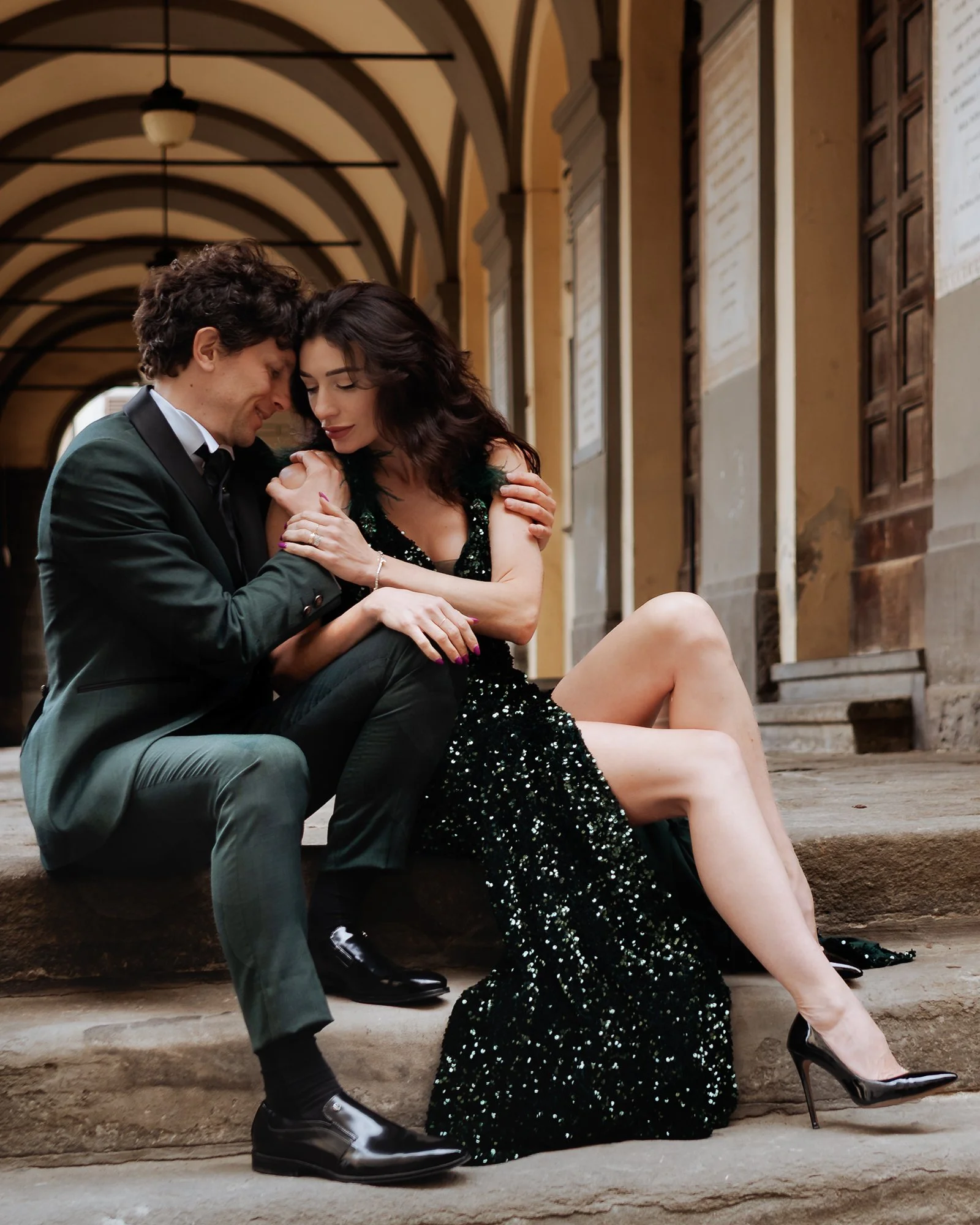
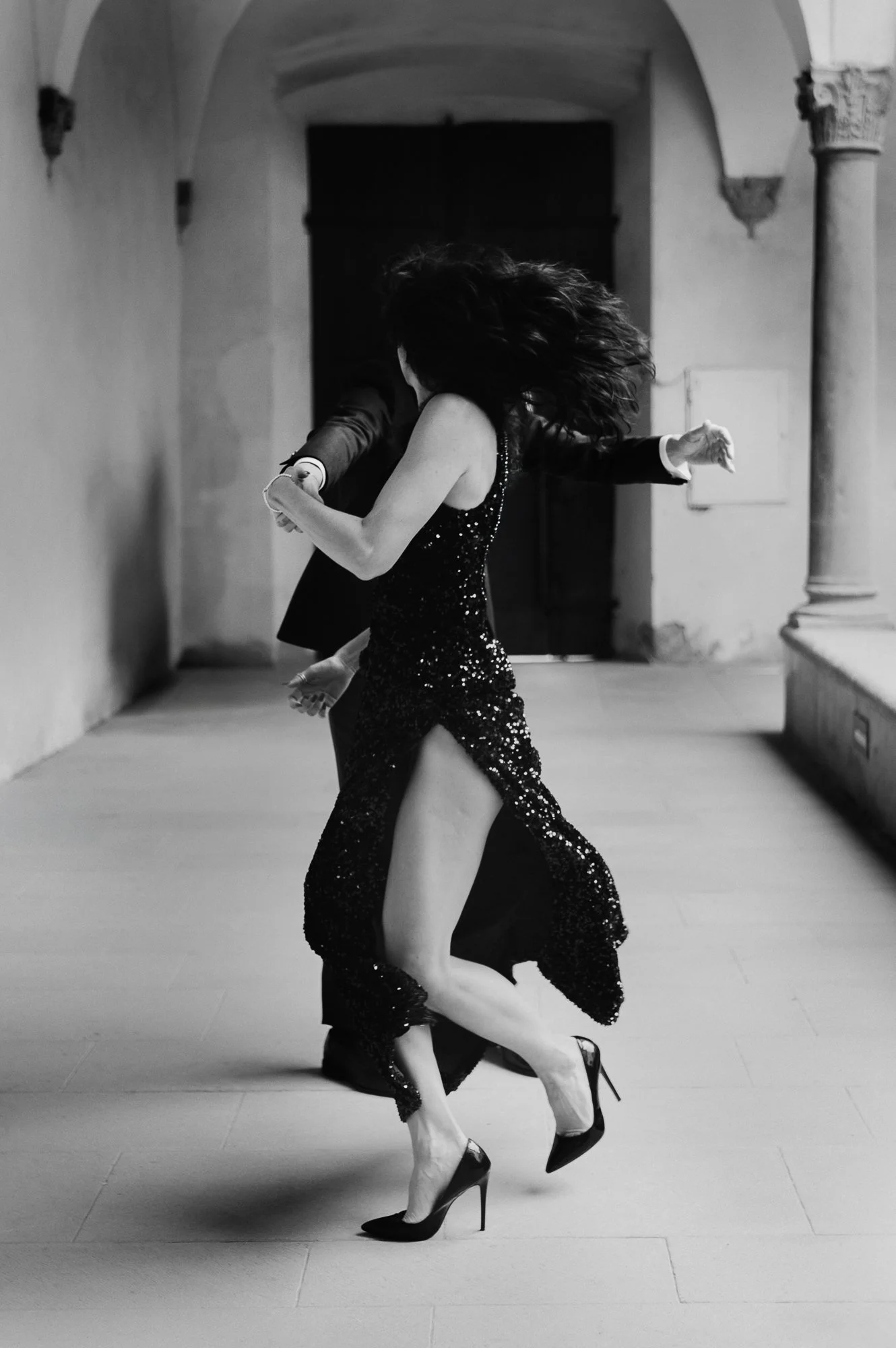
The way morning light comes through a bedroom window while a bride is getting ready. The hard Mediterranean sun falling across the stone walls of a Tuscan villa. The soft light just before sunset. The shadows inside an old Italian church. I don't want to replace those moments with something artificial.
That's why I almost never use flash when photographing weddings.
It's not because I don't know how to use it. It's a deliberate choice that comes from the way I approach wedding photography: quietly, naturally, and with as little interference as possible.
I want your photographs to feel like your wedding felt
For me, wedding photography isn't about creating perfect lighting for every photograph.
It's about photographing what was actually there.
If a room is dark, I want to photograph the atmosphere of that room. If the afternoon sun is dramatic, I want to use it. If the light coming through a window falls beautifully across someone's face, I don't want to change it.
Natural light gives every part of a wedding its own character.
A Tuscan villa at midday doesn't look the same as it does at sunset. A centuries-old church has a completely different atmosphere from an outdoor dinner beneath olive trees. A quiet moment in a bedroom has a different feeling from a crowded dance floor.
I want those differences to remain visible in the photographs.
Tuscany was made for natural light
One of the reasons I love photographing weddings in Tuscany is the way the landscape and architecture interact with light.
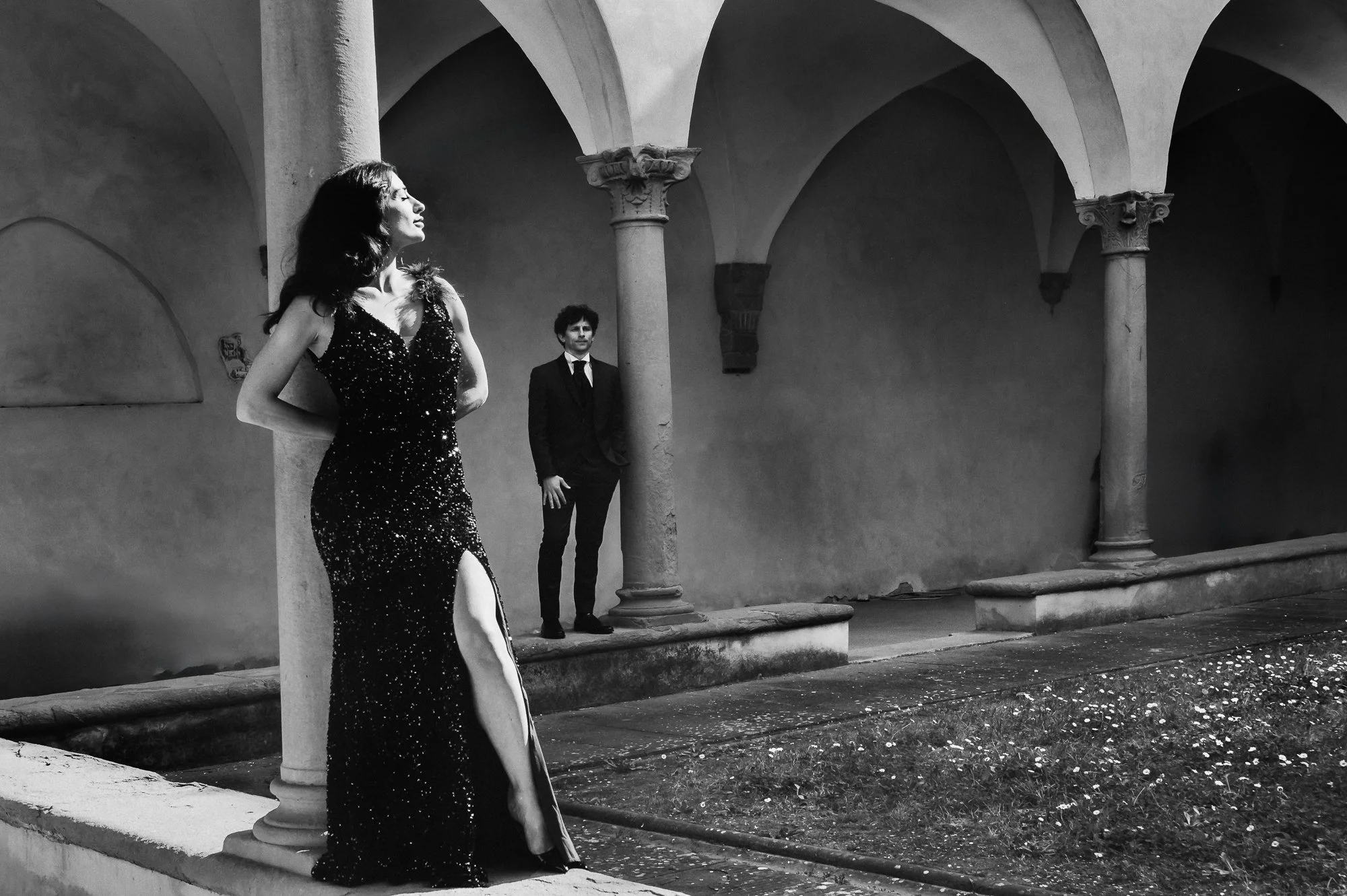
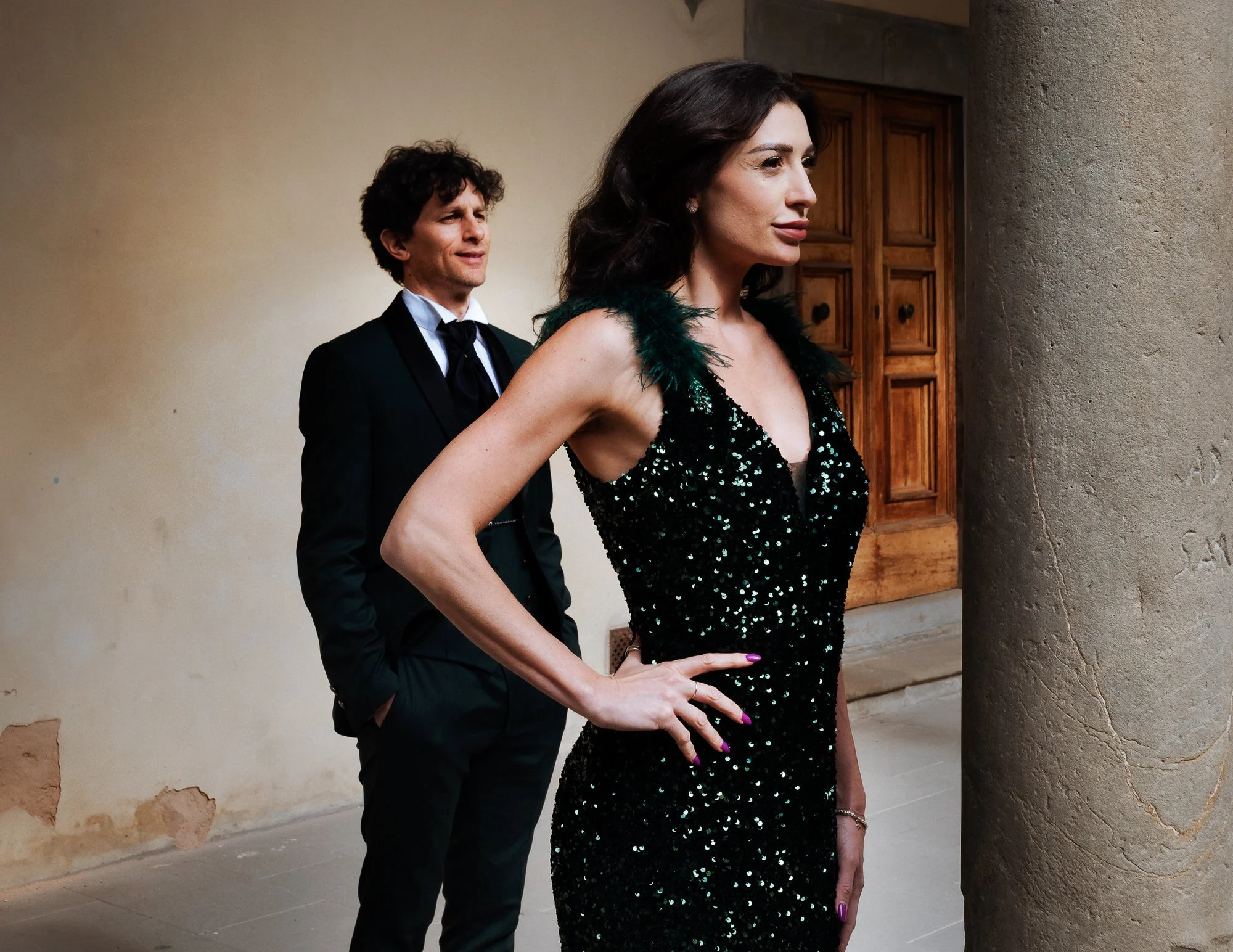
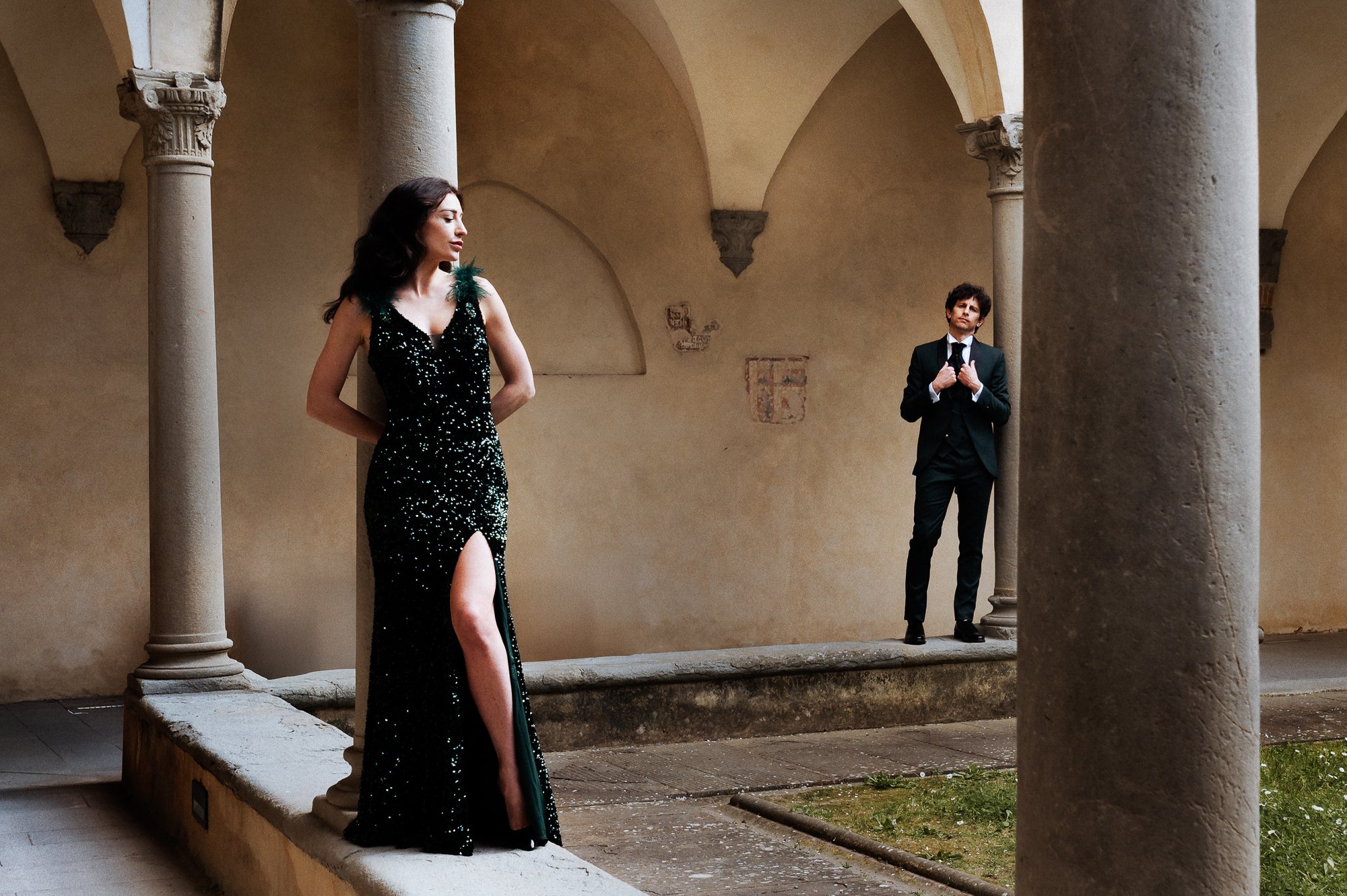
Stone walls, old wooden doors, long corridors, olive groves, cypress trees and open courtyards all change throughout the day as the sun moves.
In the morning, the light can be soft and directional.
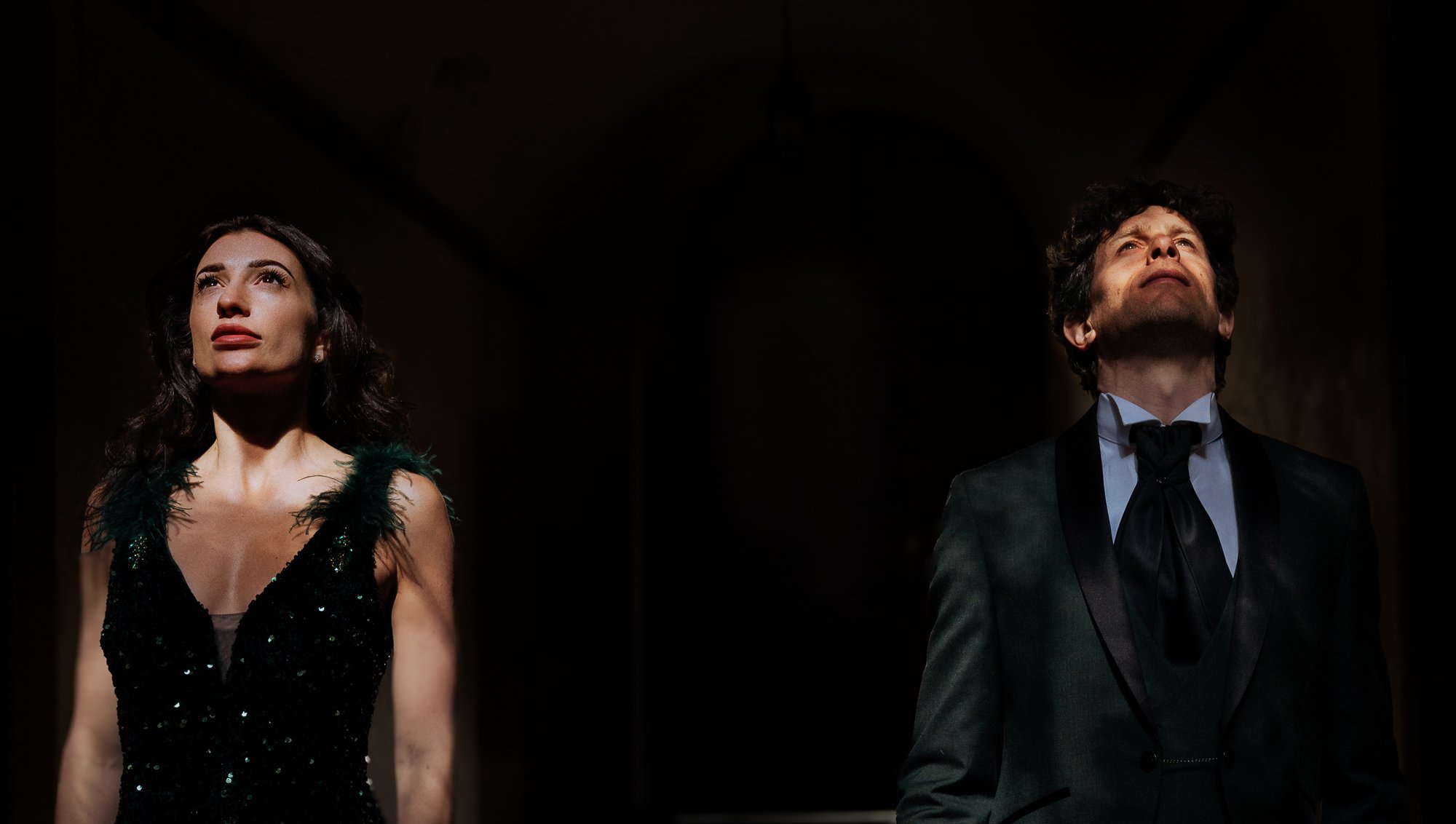
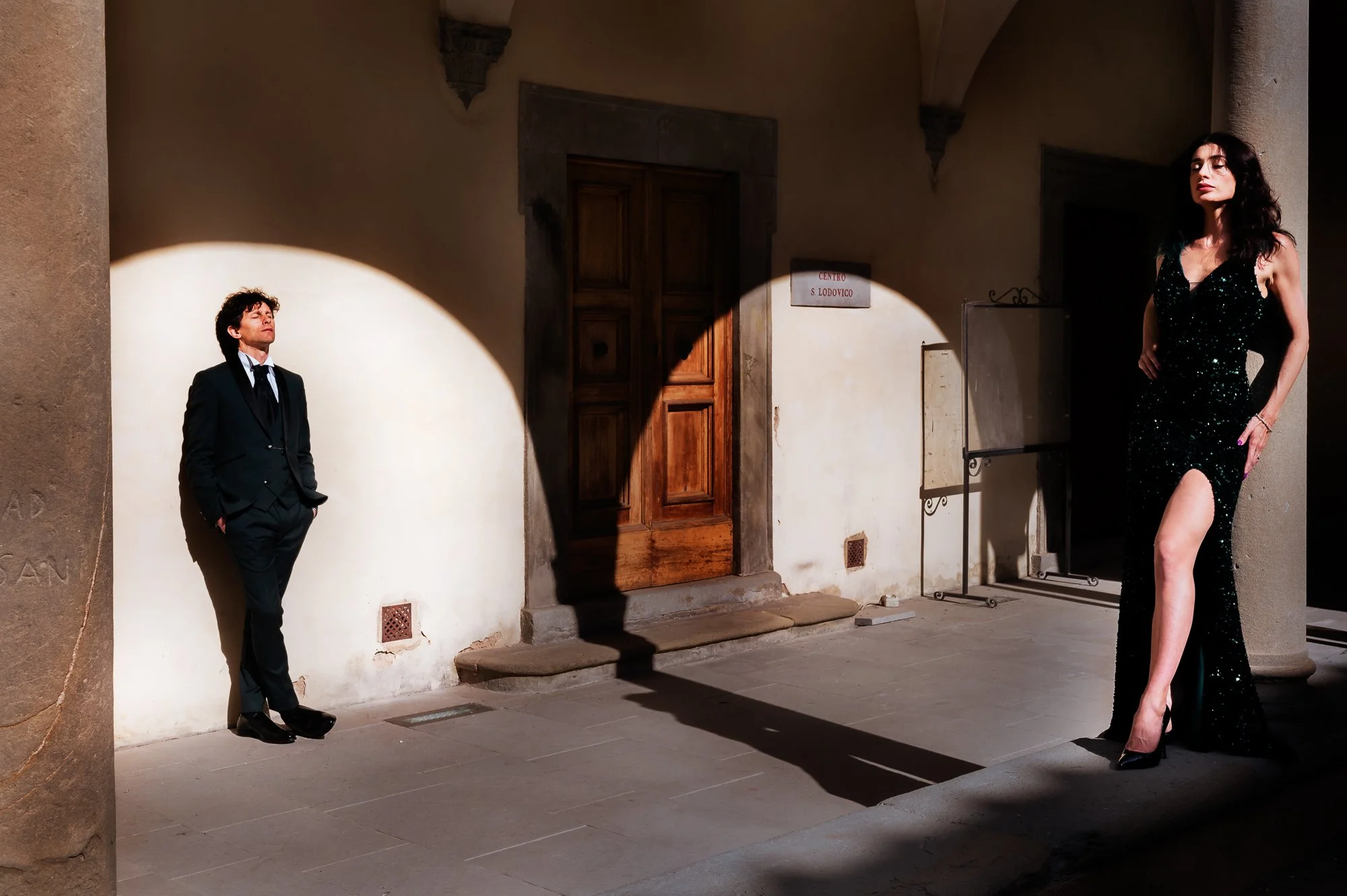
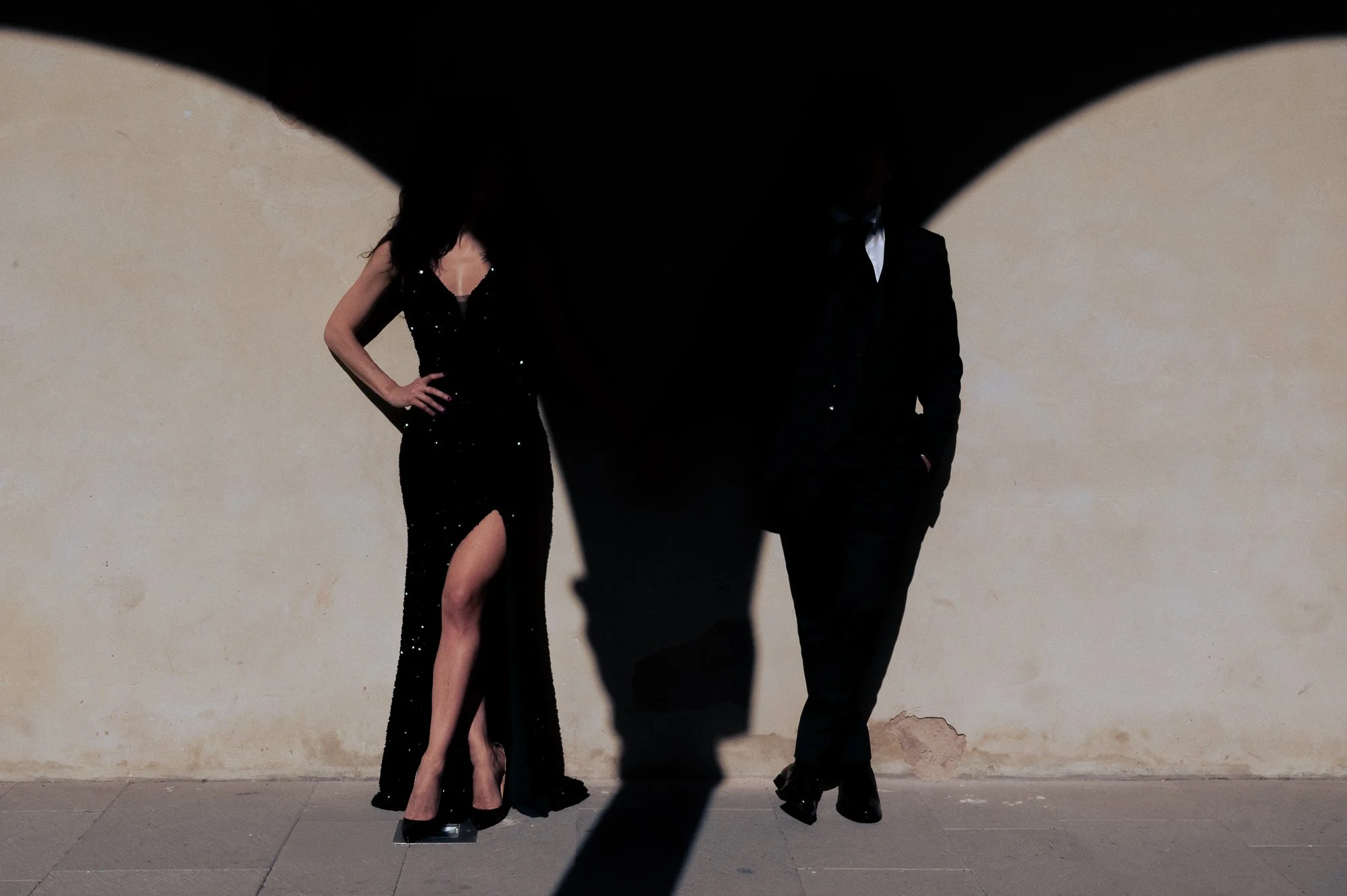
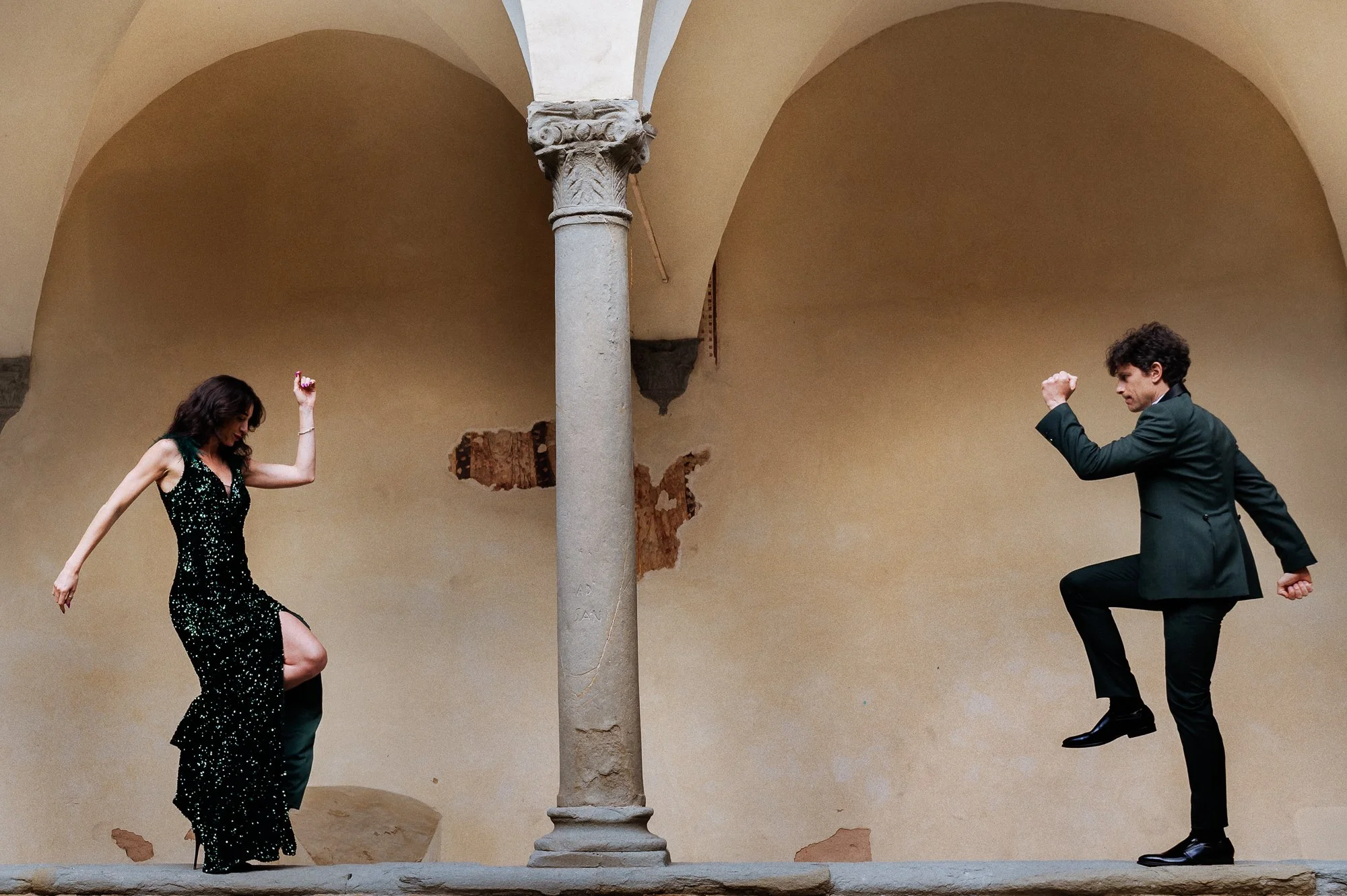
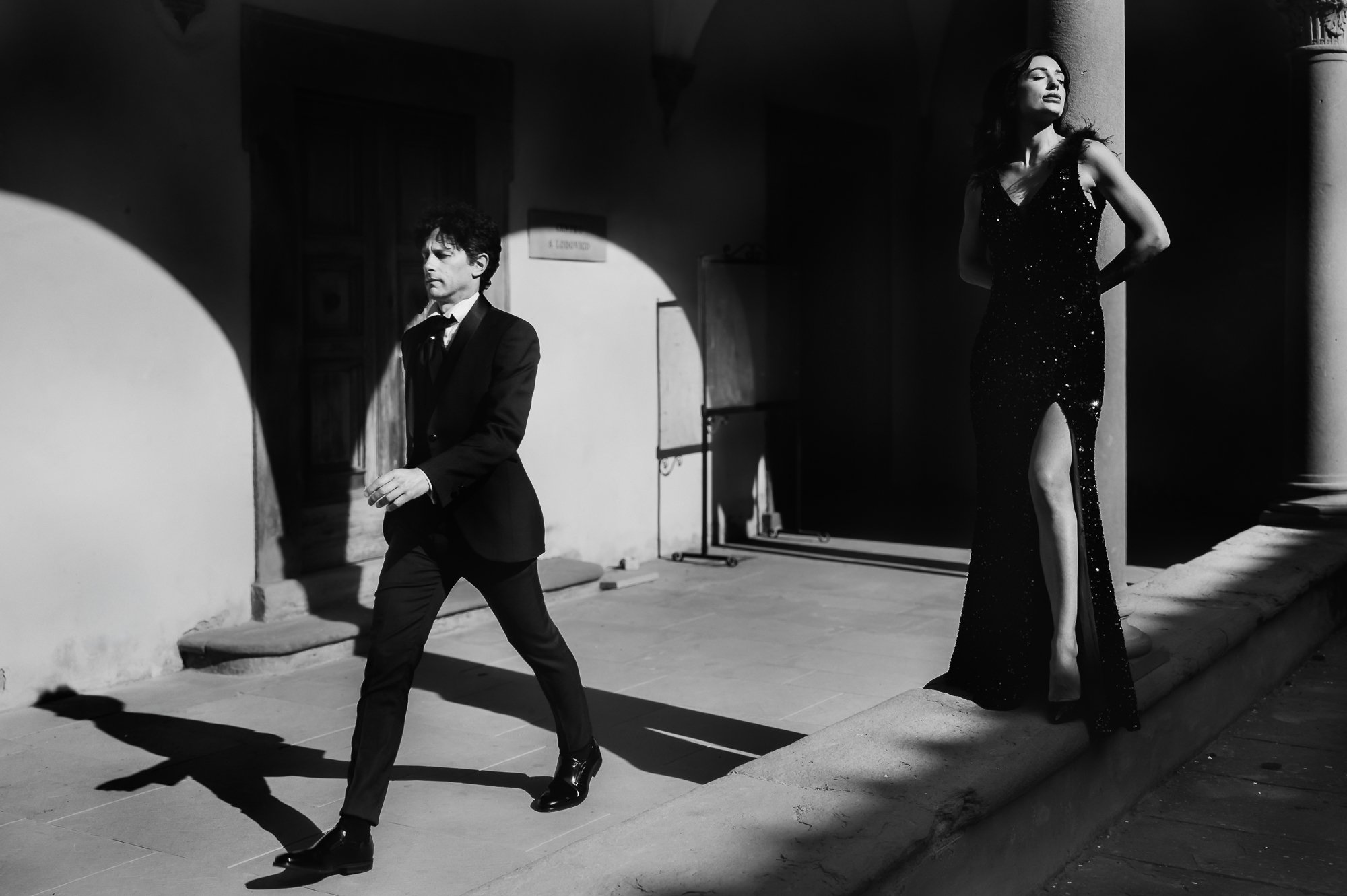
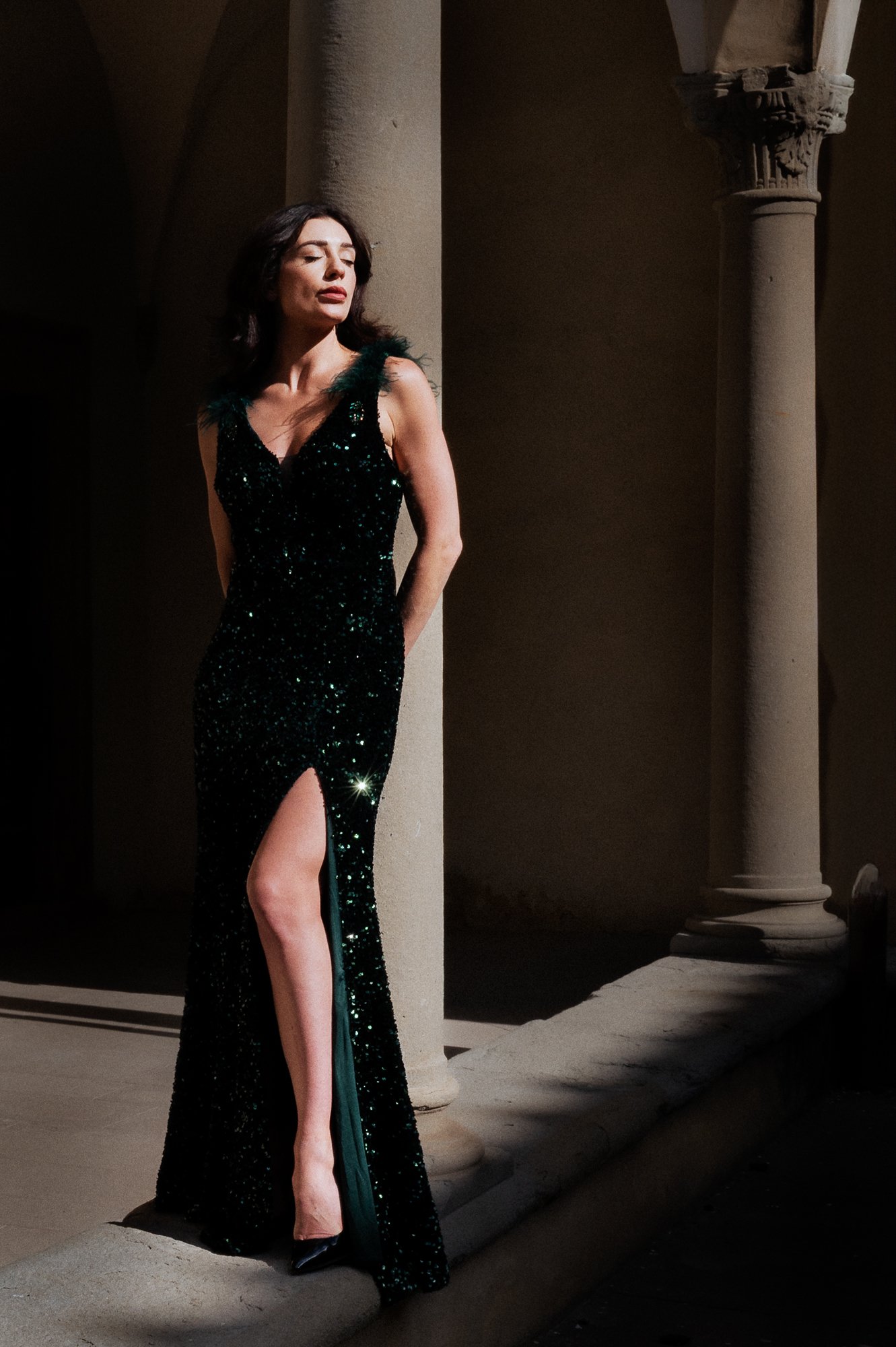
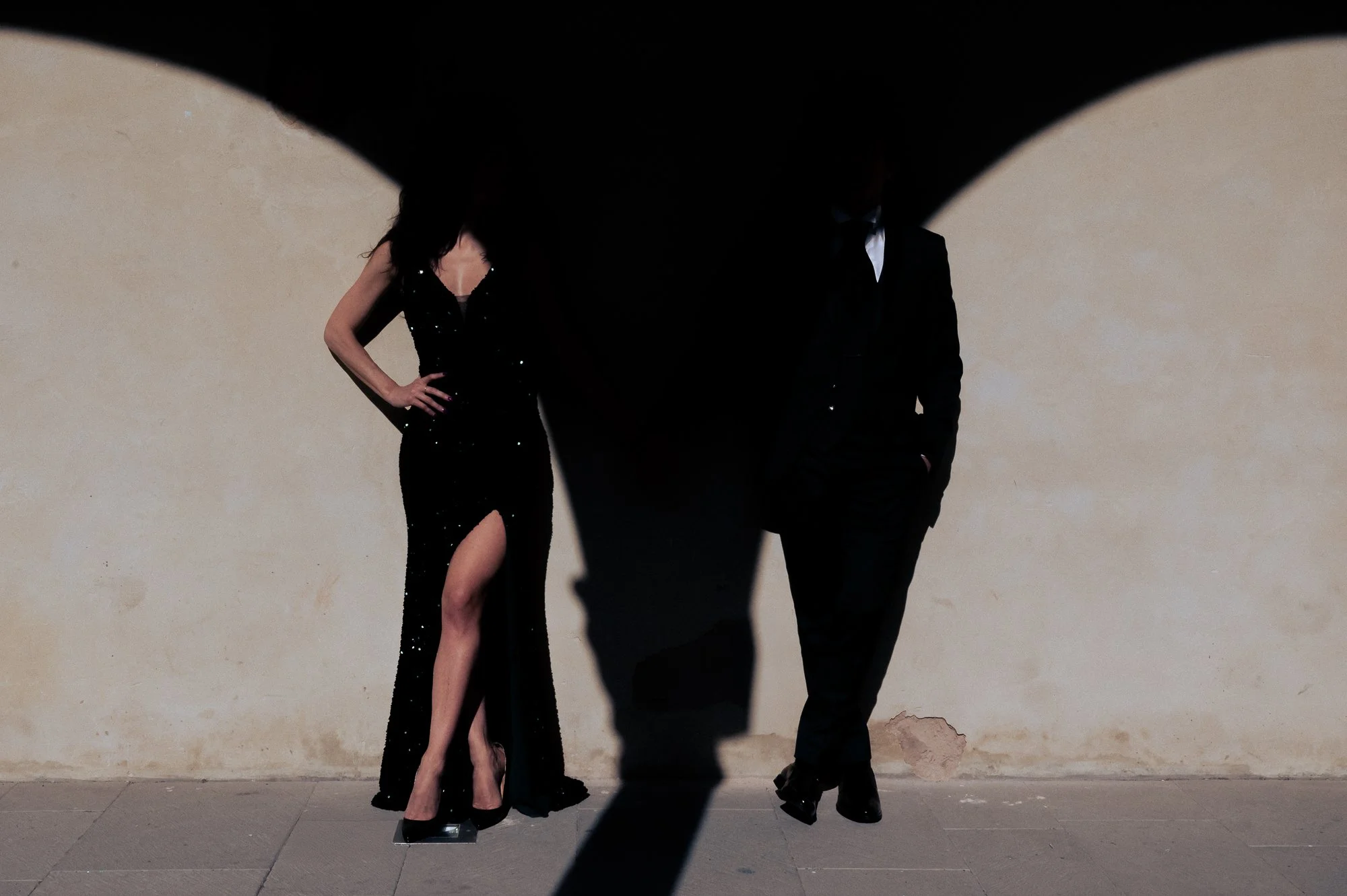
In the middle of the afternoon, it can be strong and graphic, creating deep shadows against old walls and buildings.
Then, as the sun begins to disappear, everything changes again. The colours become softer, the shadows longer and the atmosphere more intimate.
I don't want to flatten all of that into the same kind of light.
The changing light is part of what makes an Italian wedding an Italian wedding.
Light is part of the story
When you look back at your wedding photographs years from now, I don't want you to remember a lighting setup.
I want you to remember the place.
The warmth of the room where you got ready. The sunlight on your father's face. The shadows underneath the trees. The light coming through the windows of the church. The blue evening sky after dinner. The last few minutes of daylight before the reception begins.
Natural light gives photographs a sense of place.
And because I'm not constantly introducing additional light, I can move through the day without changing the environment around you.
That matters to me.
I don't want to interrupt the moment
One of the biggest reasons I avoid flash is not technical. It's human.
A flash can make people aware of the photographer.
Sometimes that's exactly what you want. But much of the time, I don't.
During a wedding, I would rather be a quiet observer than someone who constantly announces where the camera is.
I'm looking for the moment before someone notices me.
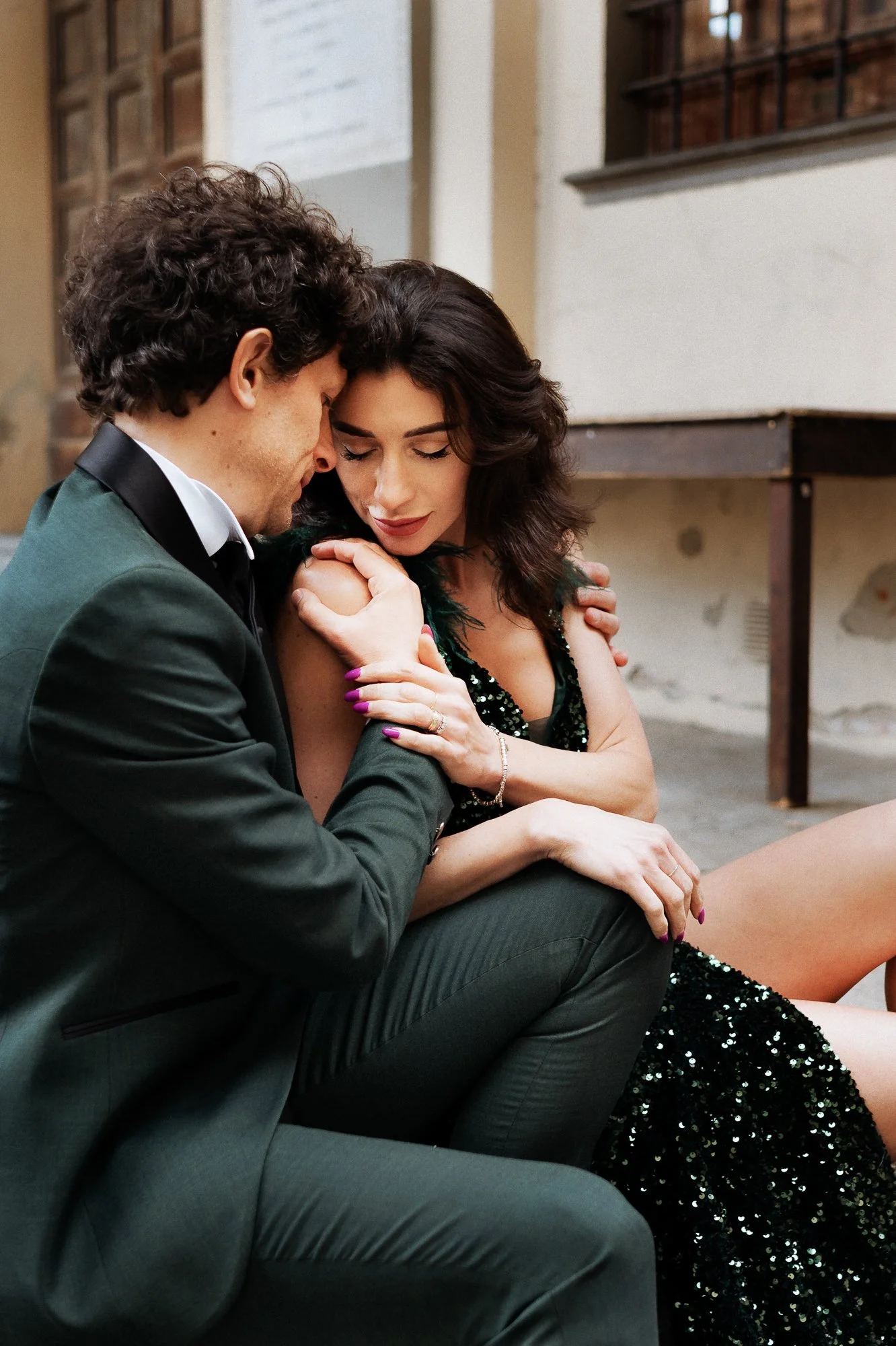
The laugh that happens when nobody is posing. A mother watching her daughter from across the room. Friends talking at the table. A groom taking a breath before walking into the ceremony.
Those moments are often fleeting.
The less I interfere, the more naturally they happen.
There is a misconception that natural-light photography only works when the conditions are perfect.
They aren't.
Wedding days rarely cooperate.
You might have bright midday sun, a dark reception room, overcast skies, rain, mixed lighting, or a ceremony happening at the worst possible time of day.
That's part of the job.
I work with the light that is available and make decisions around it.
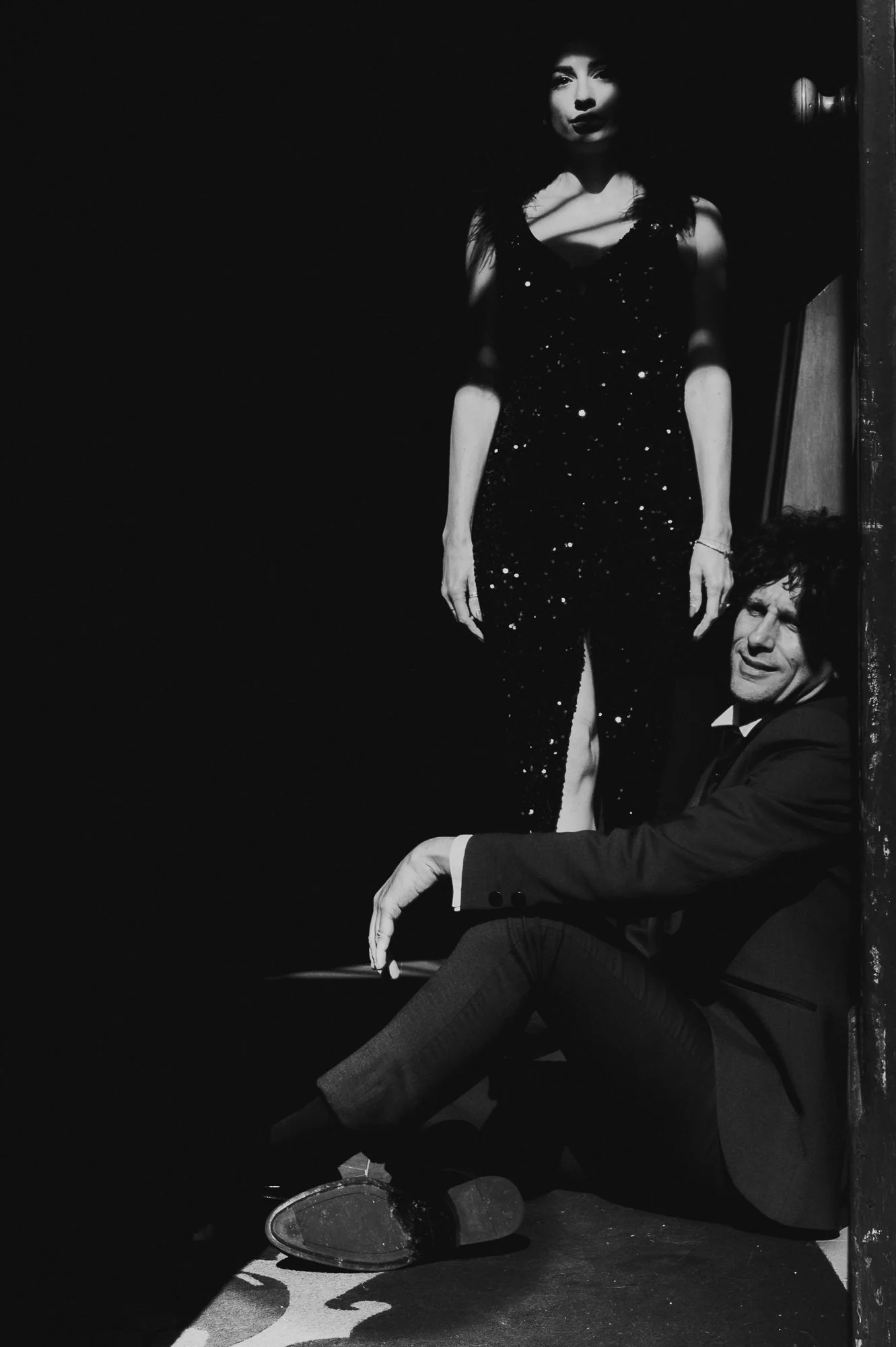
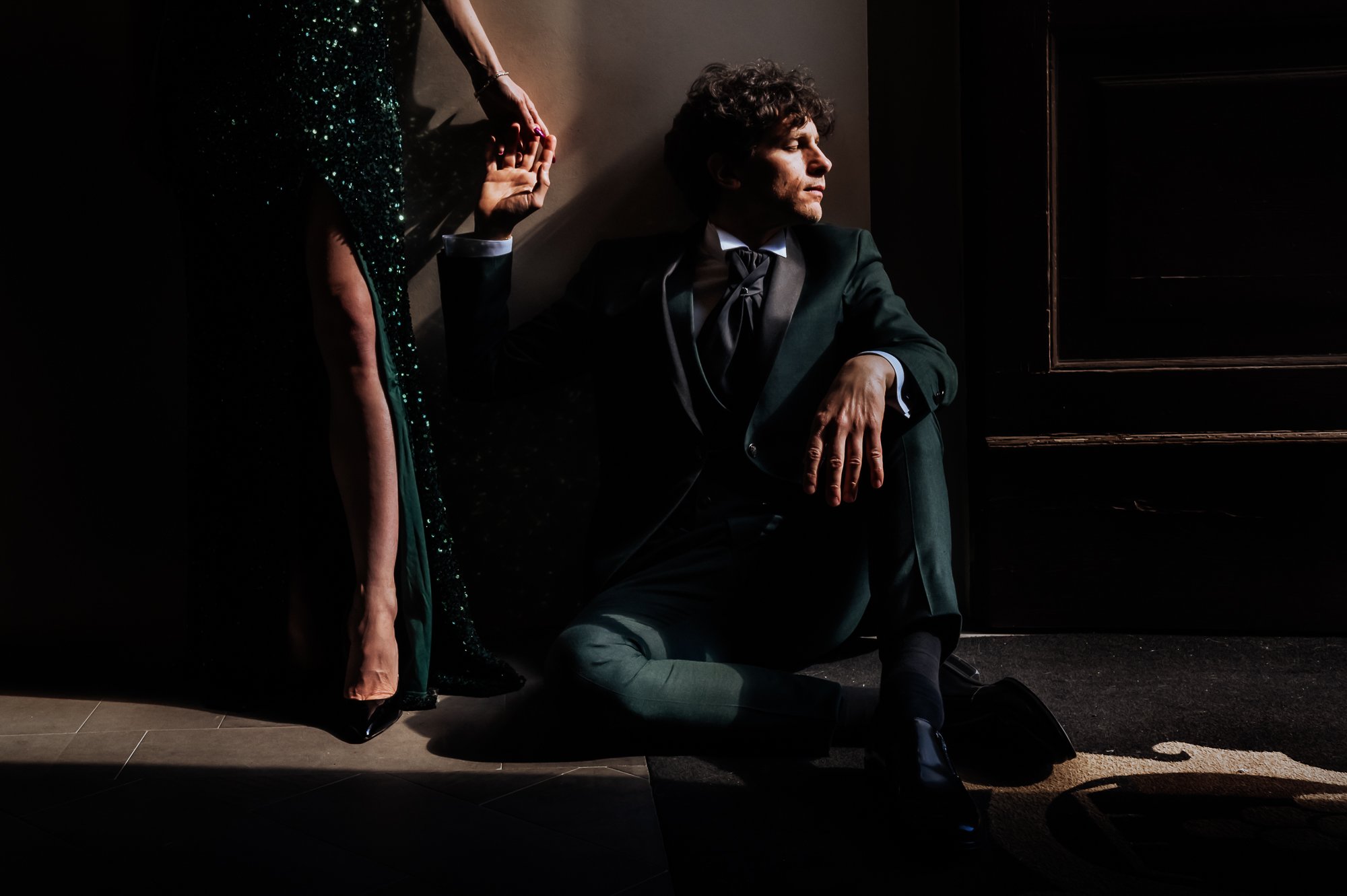
Sometimes that means moving you a few steps toward a window. Sometimes it means finding a patch of shade. Sometimes it means embracing strong sunlight and the shadows it creates.
And sometimes it simply means accepting that the light is imperfect — because the moment is more important than making it perfect.
There is a particular temptation with destination weddings in Italy.
Beautiful venues. Beautiful tables. Beautiful flowers. Beautiful dresses.
And of course, those things deserve to be photographed.
But a wedding is much more than its details.
It's your grandmother crying during the ceremony. Your friends laughing over dinner. Your father trying to keep his composure. Someone dancing badly after too much wine. The chaos of everyone trying to get a group photograph together.
Those are the things that make the photographs personal.
I don't want to turn an Italian wedding into an editorial photoshoot simply because the setting is beautiful.
The setting is already beautiful.
My job is to photograph the people inside it.